


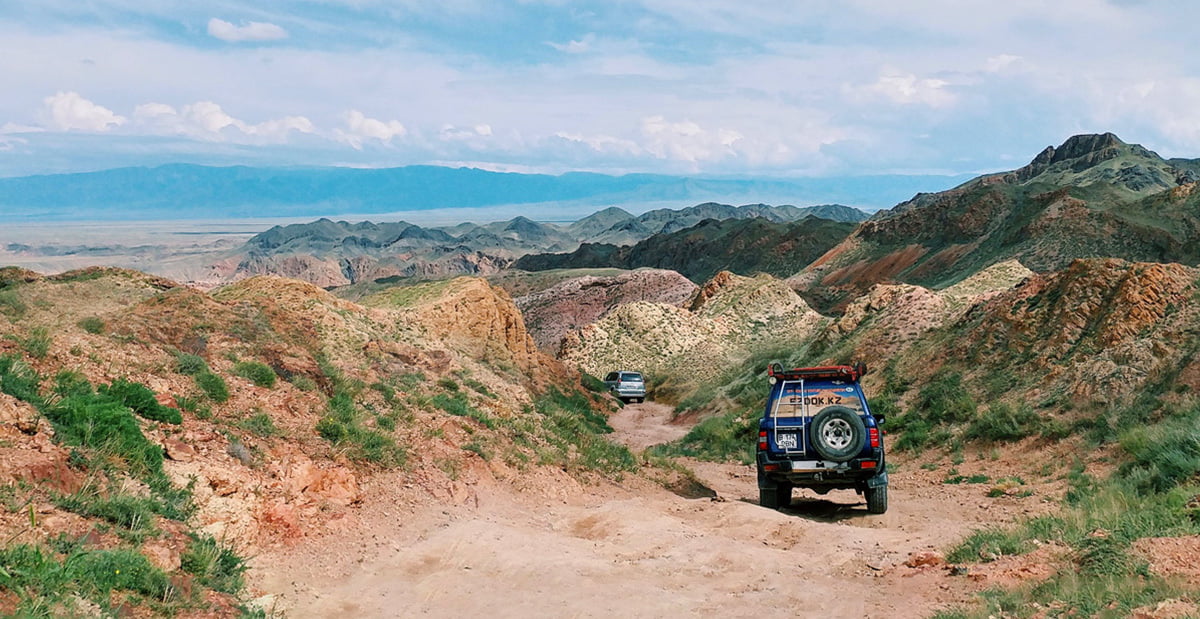
Do you enjoy outdoor adventure and are drawn to exploring wild terrain and less accessible roads? You’ve probably already heard of terms like overlanding and offroading. These two activities offer the opportunity to venture into extraordinary places and connect with nature in a very special way. However, although they may seem similar at first glance, overlanding and offroading are two distinct concepts, each with its own characteristics and approaches.
In this article, we’ll explore the differences between overlanding and offroading, discuss how they work, and provide insight into the benefits and challenges of each activity. You’ll find that although both involve exploring nature with an off-road vehicle, there are certain aspects that set them apart and can help you make the choice that’s right for you.
Let’s explore together the adventure and freedom offered by these activities and understand how we can enjoy the beauty of nature to the fullest in a way that brings us maximum satisfaction.
What is overlanding?
Overlanding is a form of nature exploration that involves long-distance travel, using specially equipped vehicles to cope with diverse terrain conditions.
It is a complete experience that combines off-road adventure with camping and discovering natural landscapes. Overlanding focuses on exploring over longer durations, often traversing wilderness, countryside, and remote places.
What is offroading?
Offroading, on the other hand, refers to driving an off-road vehicle over rough terrain, usually in a sportier way. It involves hiking difficult trails such as mountains, forests, sand dunes or muddy areas. Offroading focuses on driving skills and overcoming technical obstacles. It is an activity more focused on performance and adrenaline aspects than on the contemplative atmosphere around the fire under the starry sky.
The main differences between overlanding and offroading
Goal
Overlanding focuses on traveling longer distances, exploring various destinations and experiencing outdoor life. Offroading focuses on facing difficult terrain and overcoming obstacles.
Travel time
Overlanding involves long-term journeys that can take weeks or even months. Offroading can be a one-day activity or even a few hours.
Equipment and training
For overlanding, vehicles are equipped with accessories and equipment necessary for camping and long-term survival. Offroading requires off-road vehicles such as ATVs, off-road vehicles or off-road trucks.
Experience focus
Overlanding emphasizes camping in picturesque places, exploring natural landscapes, discovering local cultures and rural communities. Offroading focuses on overcoming obstacles and the technical aspects of off-road driving.
Which of the two is more family-friendly and why?
Do you have family and want to spend quality time with them in nature? Not sure which of the two types of activities suits you best? Well, when it comes to choosing between overlanding and offroading for a family, you need to consider the specific characteristics, needs, and preferences of your family members. Here are some aspects that can influence your choice.
Comfort and necessary facilities
Overlanding may be more suitable for families looking for a greater level of comfort and amenities while traveling. Overlanding vehicles are usually equipped with camping equipment such as roof tents, kitchens and portable toilets. This can provide a more enjoyable and convenient experience for the whole family, especially during longer trips.
Optimal journey times
Overlanding generally focuses on long journeys that can take weeks or even months. If your family is willing to spend more time in nature and explore diverse destinations, overlanding may be a good option. Instead, offroading is designed for short trips or day trips, right where you live.
Additional activities for the family
Overlanding offers opportunities to explore and participate in a multitude of recreational activities while traveling, such as hiking, cycling, fishing, photography or nature watching. If your family wants to enjoy more experiences and activities in nature, overlanding is what you are looking for. Offroading, on the other hand, focuses more on adapting travel to rough terrain and overcoming technical obstacles, without necessarily involving a long period of exploration or adjacent activities.
Finally, let’s not forget that every family is unique and what works for one family may not work for another. Assessing your family’s needs, preferences and possibilities will help you make the right choice between overlanding and offroading. In the end, the most important thing is to enjoy every moment spent in nature and choose the activity that inspires and motivates you to explore the world around you in a way that reflects your interests and passions.

